A specialist approach to upper eyelid surgery, lower blepharoplasty, ptosis repair and periorbital rejuvenation.
The eyes are one of the most expressive and defining features of the face. They are often where we first focus when looking at someone — and they can also be one of the earliest areas to reveal the effects of ageing.
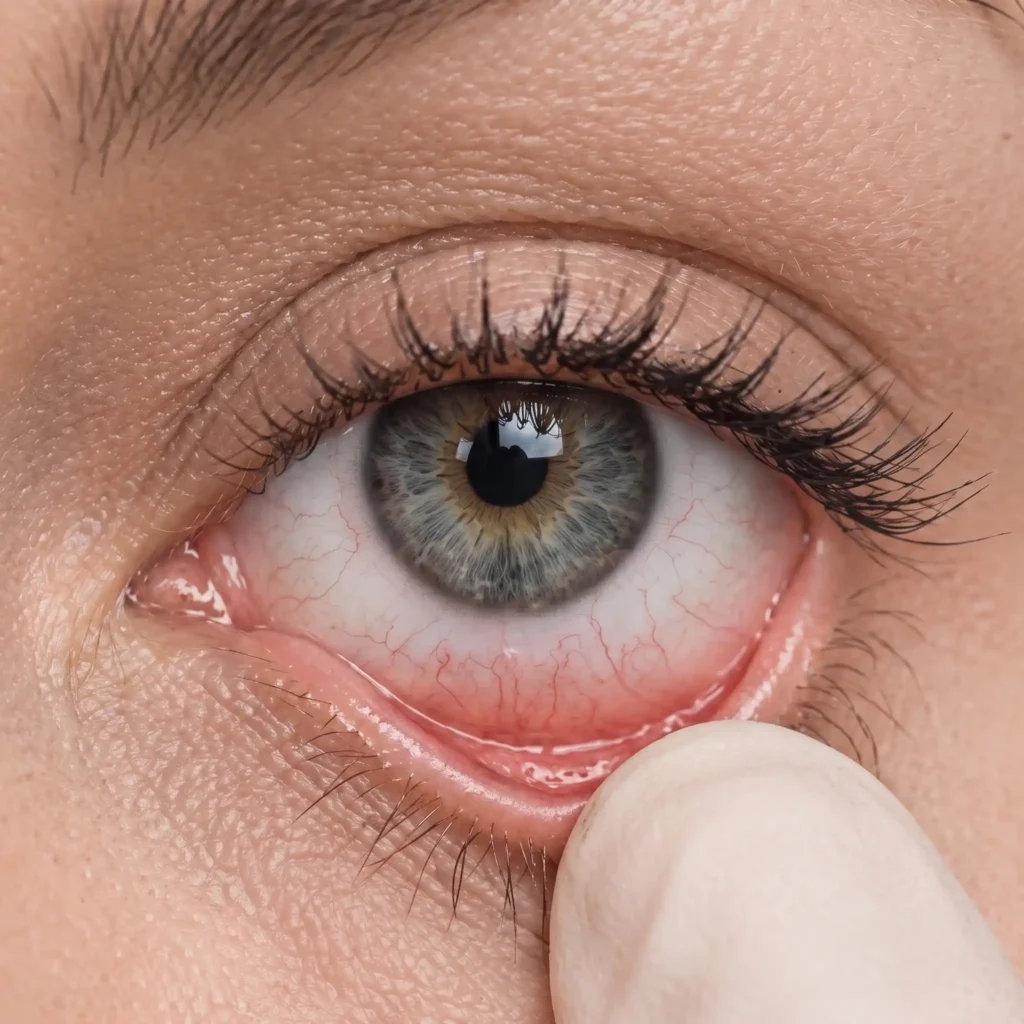
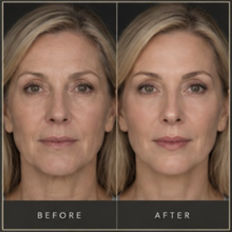
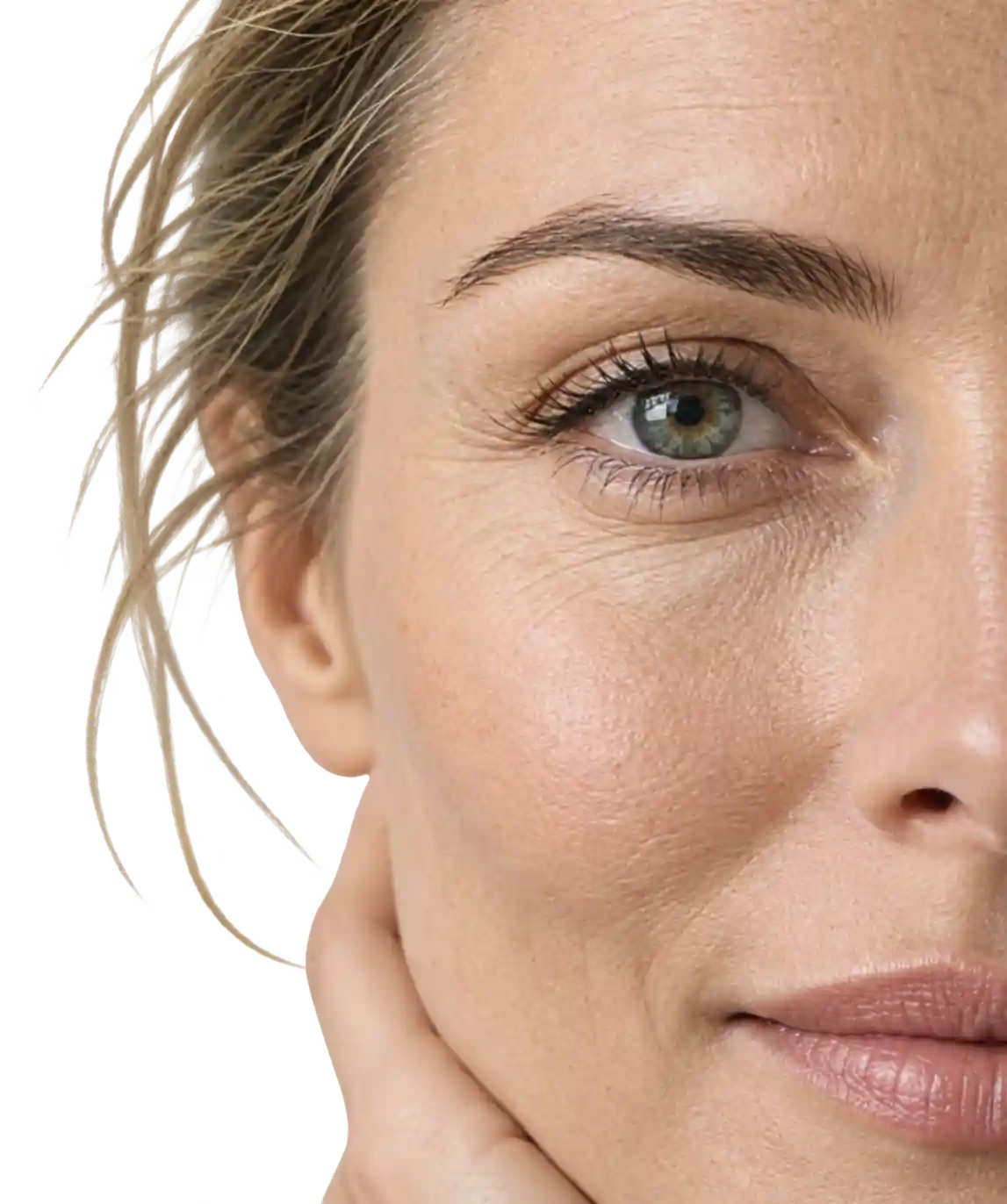
With time, the delicate tissues around the eyes undergo a number of changes. The skin becomes thinner and loses elasticity, the supporting muscles and tissues may weaken, and the fat that naturally surrounds the eye can become more prominent or change position. This can lead to heaviness or folding of the upper eyelids, puffiness or bags beneath the eyes, fine lines, hollowing and a less defined transition between the lower eyelid and cheek.
These changes can create an appearance that looks tired, heavy or older, even when you feel well rested. In some patients, eyelid heaviness or under-eye bags are strongly influenced by genetics and may therefore become noticeable much earlier in life.
Blepharoplasty, or eyelid surgery, is designed to rejuvenate the upper eyelids, lower eyelids or both. Depending upon the individual anatomy, surgery may involve carefully removing excess skin, repositioning or restoring fat, improving eyelid contour and addressing the relationship between the eyelid and surrounding facial structures.
Modern eyelid surgery is not simply about removing skin or eliminating every line around the eyes. The aim is to create a fresher, more rested and naturally rejuvenated appearance while preserving the individual shape, expression and character of the eyes.
The philosophy of eyelid surgery has evolved considerably. For many years, traditional blepharoplasty frequently involved removing prominent eyelid fat in order to create a flatter, smoother contour. We now understand that fat is an important component of youthful facial volume. Excessive removal can leave the eyelids looking hollow, skeletonised or prematurely aged, particularly as the natural ageing process continues.
For this reason, Mr Mattine’s approach has moved away from routine fat excision. Wherever appropriate, the emphasis is instead on preserving, repositioning or restoring fat, allowing existing volume to be redistributed rather than simply removed.

Fat may be repositioned to soften the transition between the eyelid and cheek and reduce the appearance of hollowing.
Careful preservation of volume helps maintain a natural, youthful contour and avoids an excessively hollow appearance.

Every patient ages differently. Mr Mattine considers not only the eyelids, but also the brow, orbital region, midface and eyelid-cheek relationship. In selected patients, eyelid surgery may be performed alone or as part of a wider programme of facial rejuvenation.
Blepharoplasty is not simply one procedure performed for one reason. Patients may seek eyelid surgery for aesthetic rejuvenation, functional improvement or to address age-related changes in eyelid shape and support. The most appropriate treatment depends on the individual anatomy and the specific concern being addressed.

For patients troubled by upper eyelid heaviness, under-eye bags, puffiness or a tired appearance, blepharoplasty can refresh the eyes and create a more rested, youthful look. The aim is not to change the eyes completely, but to restore a smoother, fresher and more refined eyelid contour.

In some patients, significant hooding of the upper eyelids can interfere with the visual field. In these cases, upper eyelid surgery may remove excess skin and improve both vision and eyelid definition. Many procedures can be performed under local anaesthesia with sedation or under general anaesthesia, depending on the individual case.

With ageing, the tissues supporting the outer corner of the eye and the lower eyelid may weaken, creating a rounder or more tired appearance. In selected patients, eyelid surgery can be combined with supportive techniques to improve shape, definition and balance while maintaining a natural result.
Upper blepharoplasty rejuvenates the upper eyelids while preserving the natural shape and character of the eyes. With ageing, the delicate eyelid skin can lose elasticity and begin to fold or descend, creating hooding, heaviness and a tired appearance. In some patients, excess skin can also interfere with eye make-up or, when more pronounced, affect the upper visual field. The aim is to create a cleaner, lighter and more youthful upper eyelid contour without making the eyes look operated or fundamentally different.
What appears to be excess upper eyelid skin may sometimes be caused or exaggerated by brow descent. A low brow can produce lateral hooding, and in these patients blepharoplasty alone may not fully correct the problem. Assessment of the brow and eyelid together is therefore important when deciding whether upper eyelid surgery alone, or a combination with brow lifting, will provide the most balanced result. In other patients, a low eyelid may result from weakness of the levator mechanism, producing true eyelid ptosis. This requires ptosis correction rather than conventional blepharoplasty, making accurate diagnosis an essential part of surgical planning.
Ageing can also cause loss of upper eyelid and orbital volume, sometimes producing a hollow or A-frame appearance. In these patients, removing additional fat may exaggerate the problem. Mr Mattine’s approach therefore emphasises preserving natural eyelid volume. Where appropriate, fat may be repositioned or restored rather than removed, helping maintain a softer and more youthful contour.
During upper blepharoplasty, carefully selected excess skin is removed while the underlying tissues and volume are preserved or restored according to the individual anatomy. The incision is positioned within the natural upper eyelid crease, helping the scar remain well concealed once healed. The objective is simple: brighter, more open and refreshed eyes that continue to look entirely natural.
Lower blepharoplasty is designed to improve under-eye bags, shadowing, loose skin and the tired appearance that can develop beneath the eyes with ageing. The aim is a smoother, brighter and more youthful transition from the eyelid to the cheek while preserving your natural expression.
Under-eye bags are often caused by prominence of the natural fat pads. Rather than simply removing fat, Mr Mattine’s preference is to preserve, mobilise and reposition it, creating a smoother contour and reducing the tear trough hollow.
The technique is individualised based on your anatomy, skin quality and eyelid support. In many patients, a scarless approach through the inner eyelid can be used. Where loose skin is also present, a small skin incision may be added. Additional procedures, such as canthopexy, may be performed when needed.
The goal is not to create a different look, but to restore a smoother, brighter and more refreshed appearance, while maintaining the natural fullness and character of your eyes.
A fine incision is placed just beneath the eyelashes, allowing access to the fat pads and the option to remove or tighten excess skin.
The resulting scar is usually very discreet and well concealed.
The incision is made on the inner surface of the lower eyelid (conjunctival side), avoiding any incision on the skin.
This scarless technique is often preferred when the main concern is fat prominence and contour, with minimal excess skin.
Upper eyelid ptosis occurs when the eyelid itself sits lower than normal, usually because the levator muscle or its tendon has weakened or stretched. Unlike excess upper eyelid skin, which is treated with blepharoplasty, ptosis affects the position of the eyelid margin and may partially obscure the pupil.
Patients may notice that one or both eyes appear smaller, heavier or more tired, and some compensate by constantly raising their eyebrows to improve vision. Accurate diagnosis is essential, as ptosis can be mistaken for excess eyelid skin or brow descent.
Ptosis repair is designed to restore the upper eyelid to a more natural position by tightening or advancing the levator mechanism. The aim is to improve eyelid height, symmetry and, where affected, the visual field, while preserving a natural eyelid shape. In selected patients, ptosis repair may be performed alone or alongside upper blepharoplasty.
Fat grafting is an important additional tool in Mr Mattine’s approach to rejuvenation around the eyes, particularly in patients with hollowness, loss of volume and dark circles.
Conventional fat transfer can be used to restore volume, soften hollow areas and create a smoother transition between the lower eyelid, tear trough and cheek.
Nanofat is used not primarily for volume, but as a regenerative treatment to improve skin quality, support tissue perfusion and enhance rejuvenation of the delicate tissues around the eyes.
Together, fat grafting and nanofat can complement blepharoplasty by addressing contour, volume and tissue quality, helping achieve a more natural and complete periorbital rejuvenation.
Eyelid surgery requires a detailed understanding of eyelid anatomy, facial balance and the subtle changes that create a natural, refreshed appearance.
With extensive experience in both aesthetic and functional eyelid surgery, Mr Samuel Mattine offers a highly individualised approach, focusing on natural results that enhance your eyes while maintaining your unique expression.
INDIVIDUAL APPROACH
NATURAL RESULTS
GREATER CONFIDENCE
Upper blepharoplasty can reduce excess skin, heaviness and hooding, creating a brighter, more awake appearance while maintaining a natural look. In selected patients, the same incision can also be used to elevate the lateral aspect of the brow.
“A lighter, more youthful and refreshed appearance.”
Lower blepharoplasty is designed to improve under-eye bags, shadowing and the tired appearance beneath the eyes. It can be performed through a transconjunctival (scarless) approach or a transcutaneous approach with a fine incision hidden just below the eyelashes, depending on your individual anatomy and needs.
“A smoother transition from the eyelid to the cheek.”
In many cases, upper and lower eyelid surgery can be performed together to rejuvenate the eyes as a whole, creating a naturally refreshed and more harmonious appearance while maintaining facial balance.
“A more complete and natural rejuvenation.”
Eyelid surgery is not only cosmetic. In some patients, excess upper eyelid skin or ptosis (a drooping eyelid) can affect vision. Functional eyelid surgery can help restore your field of vision, improve comfort and enhance the appearance of the eyes.
Upper blepharoplasty and ptosis repair can often be performed at the same time, and in suitable patients through the same incision.
Eyelid surgery is a delicate and highly individualised procedure. Choosing a surgeon with specific expertise in facial surgery ensures that every detail is considered — from eyelid function and support to skin quality and overall facial harmony.
“To enhance your eyes, restore balance and help you look like a more rested, refreshed version of you — naturally.”
local anaesthesia with sedation. When combined with brow lift, twilight sedation or a short general anaesthetic may be advised.
approximately 60 minutes.
approximately 90 minutes.
Mild swelling and bruising around the eyes are expected and usually settle over about 1–2 weeks; cold compresses may help.
Discomfort is usually mild and often managed with simple pain relief: stronger medication is rarely required.
Avoid strenuous activity, bending and heavy lifting for at least 2 weeks.
Gentle cleaning and antibiotic ointment may be advised to support healing and reduce infection risk.
Sutures are typically removed after 7 days.
Mr Matine is internationally recognised for his expertise in facial surgery and for his contribution to the advancement of surgical techniques and education.
He is regularly invited to lecture, deliver keynote presentations and teach live surgery at leading international meetings and conferences, sharing his knowledge and experience with surgeons worldwide.
His international reputation reflects a career devoted not only to achieving exceptional results for his patients, but also to advancing facial surgery through innovation, education and the sharing of expertise.
London Facial Surgery Symposium
European Aesthetic Congress
International Rhinoplasty Society
Global Facial Feminisation Summit
British Association of Facial Surgeons
Expert care, thoughtfully coordinated around your journey.
We regularly welcome patients from the United States, Canada, Europe, the Middle East, Asia and beyond who travel to the UK for facelift surgery. Our team understands international travel and will support you at every stage, making the experience as smooth and comfortable as possible.
Your initial consultation can often take place virtually, allowing you to meet Mr Mattine, discuss your concerns and explore your options from wherever you are in the world. An in-person consultation will then be arranged before your surgery to finalise your plan and answer any remaining questions.
We can assist in coordinating any required pre-operative tests and investigations, help with accommodation, and advise on practical arrangements for your stay in the UK. Your early recovery, follow-up appointments and return travel will be thoughtfully planned to ensure you feel supported throughout your journey.
Our aim is to provide the same continuity, personal attention and standard of care wherever in the world your journey begins.
Find answers to some of the most common questions about brow lift surgery. For further information, please see our full FAQ page or contact our team.
01 | Is brow lift surgery painful?
02 | How long does brow lift surgery take?
Can brow lift surgery be performed under local anaesthesia?
How long does recovery take after a brow lift?
Will a brow lift change my hairline?
What is the difference between a brow lift and an eyelid lift?
Additional treatments that may complement your eyelid surgery and enhance periorbital and overall facial rejuvenation.
REAL EXPERIENCES. REAL RESULTS.