
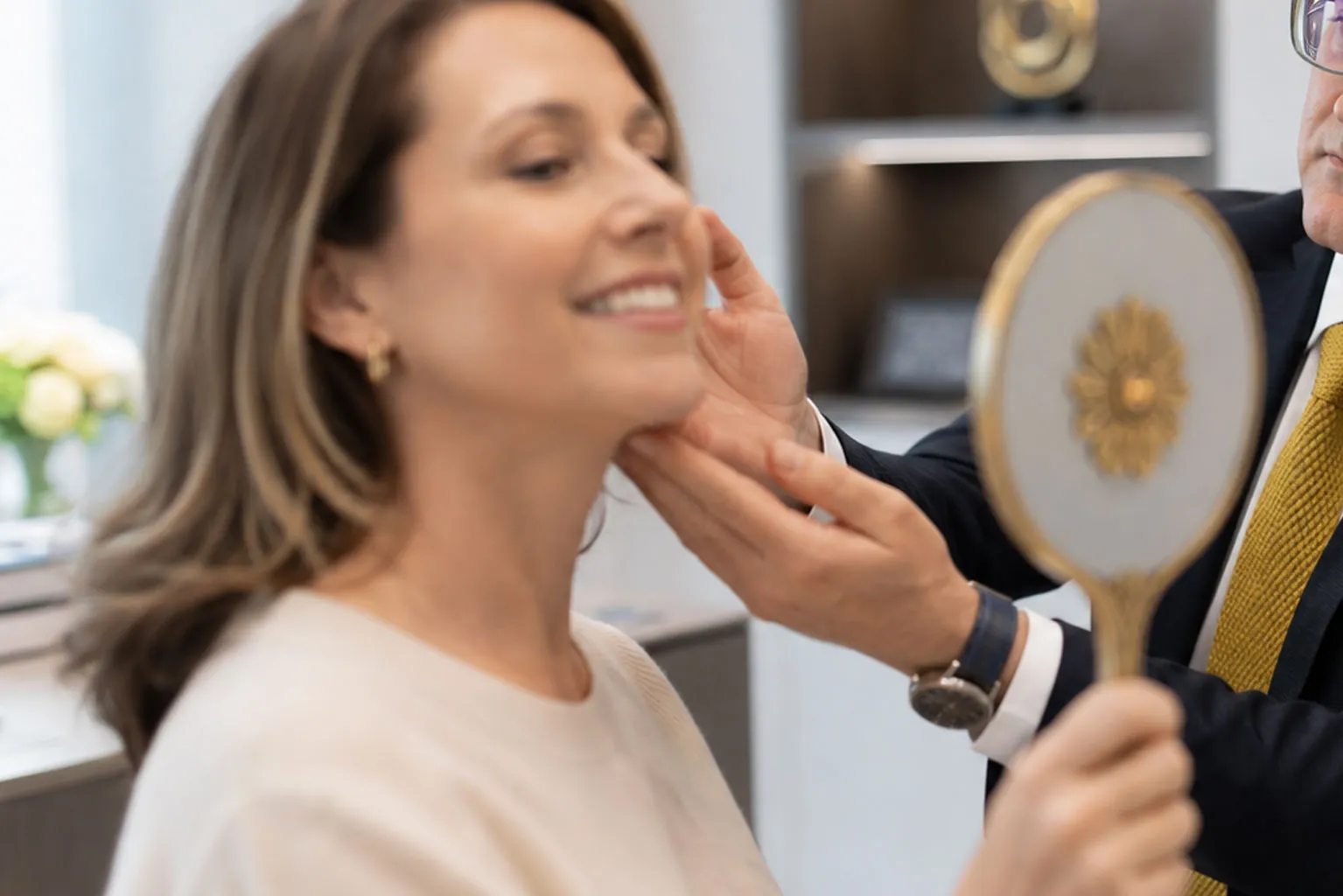
With extensive clinical experience and a surgical practice dedicated exclusively to the face, Mr Samuel Mattine brings specialist expertise, anatomical precision and a highly individualised approach to modern facelift surgery.
At the heart of his philosophy is a commitment to results that are refined, balanced and unmistakably natural — rejuvenating the face while preserving the features, expressions and individuality that make you uniquely you.
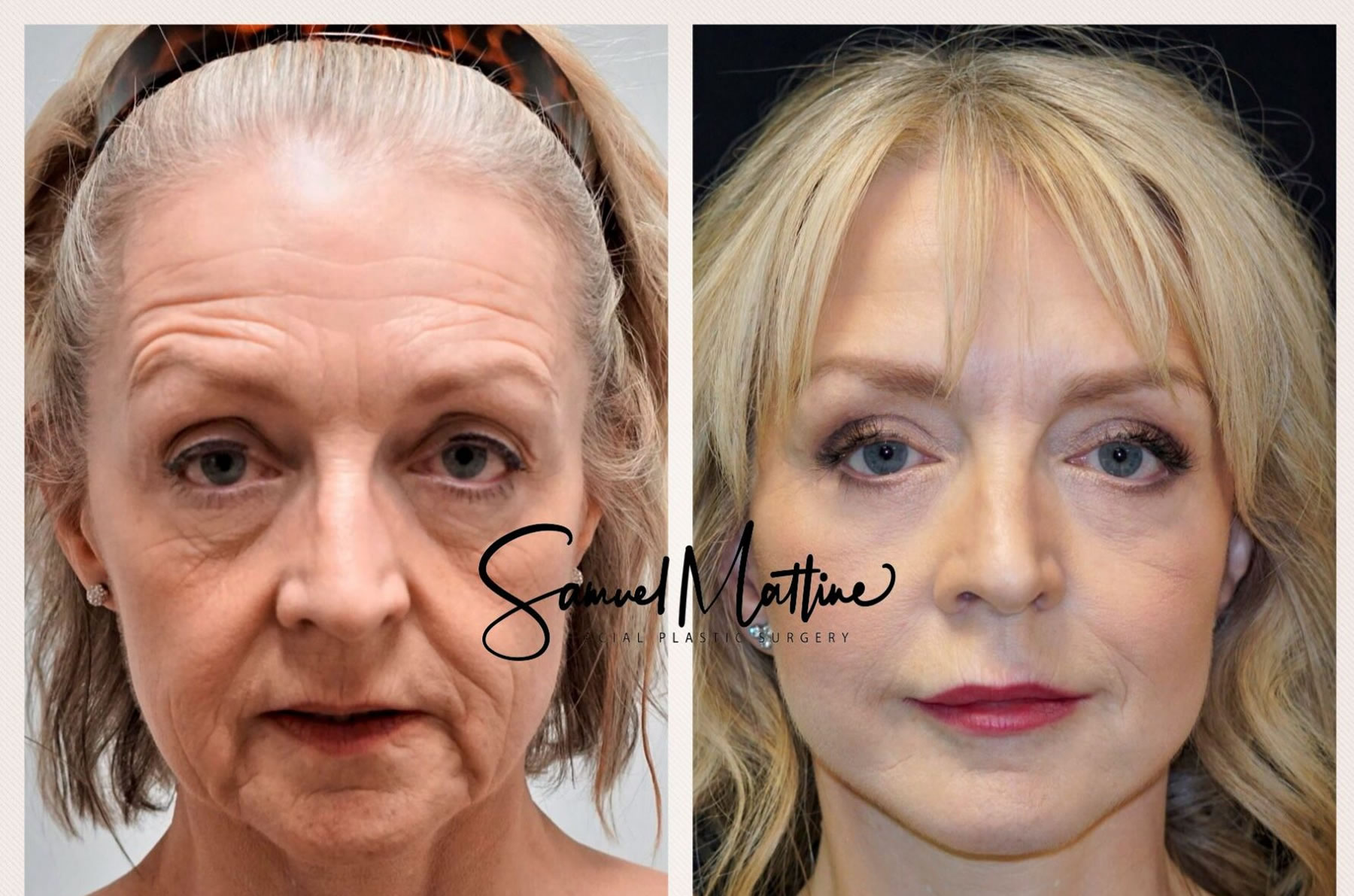
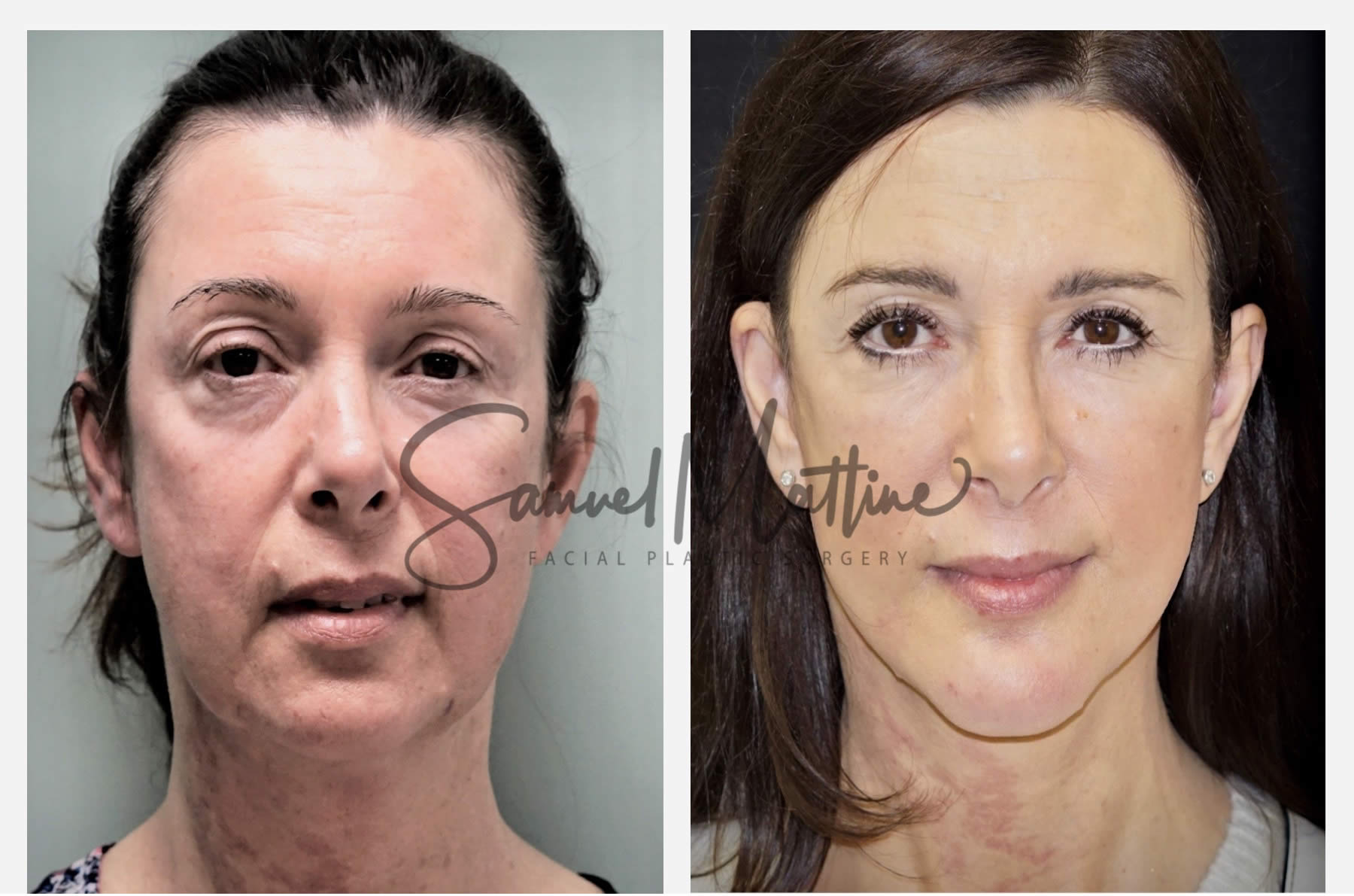
The hallmark of a Mattine facelift: exceptional results, yet unmistakably natural.

One of Samuel’s defining strengths in facelift surgery is his ability to achieve powerful midface rejuvenation—restoring youthful cheek and under-eye volume, softening nasolabial folds, and elevating the corners of the mouth. While many facelifts primarily improve the jawline and neck, his approach delivers a more complete, balanced, and natural-looking facial rejuvenation.
Your face is uniquely yours — the feature through which the world recognises you.
That’s why every detail matters — the goal is not to change who you are, but to restore a fresher, more naturally youthful version of you.
Your face deserves the highest level of specialist expertise. When considering facelift surgery, choosing a board-certified surgeon whose training, experience and practice are dedicated to the face is paramount. Mr Samuel Mattine has devoted his entire surgical career—from residency and advanced fellowship training to specialist practice—to mastering the complexities of cosmetic and reconstructive facial surgery.
In a field where many surgeons divide their practice across multiple areas of the face and body, Mr Samuel Mattine has dedicated his surgical expertise exclusively to the face.
This highly focused practice gives him an in-depth understanding of facial anatomy, ageing and the intricate relationship between the skin, soft tissues, muscles and underlying facial structure. It also enables him to offer a comprehensive range of advanced facelift techniques, selecting and tailoring the approach to your individual anatomy, pattern of ageing and personal goals.
His philosophy is simple: no two faces are the same, and no two facelifts should be either.
Mr Mattine’s expertise extends well beyond aesthetic facial surgery. During his NHS career, he served as the lead clinician for highly complex reconstructive microvascular surgery within his department and played an instrumental role in the development of its head and neck cancer services.
He performed many of the Trust’s first advanced facial and reconstructive procedures, pioneered technical innovations and introduced new technologies designed to improve outcomes and reduce complications for patients undergoing complex head and neck surgery.
This combination of reconstructive and aesthetic expertise provides a depth of surgical experience that informs every facelift he performs.
The best facelift is not simply a technique — it is the right technique for the right face.
Facial ageing is complex. Changes can occur at different levels and at different rates, affecting the skin, deeper soft tissues, facial volume, jawline and neck. For this reason, Mr Mattine does not rely on a single facelift technique or a one-size-fits-all approach.
His surgical repertoire encompasses a broad range of facelift procedures, including advanced deep plane techniques, allowing surgery to be carefully adapted to the individual.
Less extensive procedures, such as mini facelifts and limited-incision or “stitch” techniques, can have a role in appropriately selected patients. However, they may not adequately address more significant changes in the deeper facial tissues or provide the degree or longevity of correction sought by some patients.
Modern facelift surgery must also respond to changing patient needs. Increasingly, younger patients may present with premature facial laxity, loss of midface volume or changes in facial proportions. Others may experience significant facial and neck soft-tissue changes following substantial weight loss, including weight loss associated with GLP-1 medications, or following facial skeletal procedures such as facial feminisation surgery.
Mr Mattine has developed specialised approaches for these different facial presentations, tailoring surgery to the anatomy and circumstances of each individual rather than attempting to fit every patient to the same operation.
Innovation has been a defining feature of Mr Mattine’s surgical career.
He has developed and refined a range of advanced facial surgery techniques, including his signature Designer Deep Plane Facelift, with the aim of achieving sophisticated rejuvenation while respecting each patient’s natural facial identity.
His work extends beyond the face to the complex relationship between the jawline, chin and anterior neck. Through the development and refinement of surgical approaches to these areas, he seeks to restore harmonious facial contours rather than treating individual features in isolation.
Mr Mattine is regularly invited to present his work and surgical techniques to professional audiences at international meetings and conferences.
A successful facelift should make people notice how well you look — not that you have had surgery.
Central to Mr Mattine’s philosophy is the pursuit of natural-looking rejuvenation. The objective is not to create a different face, but to restore and refine the contours that are already yours.
His approach is designed to avoid an excessively tight, stretched or “windswept” appearance. Instead, surgery is carefully planned to reposition and support the deeper facial tissues, with the aim of creating a fresher, more balanced and naturally rejuvenated appearance.
Every procedure is tailored to the individual, with particular attention to facial proportions, identity and the subtle characteristics that make each face unique.
Mr Mattine is internationally recognised for his work in facial surgery and for his contribution to the development and teaching of advanced surgical techniques.
He has been invited to lecture, deliver keynote presentations and demonstrate aspects of his surgical approach — including his Designer Deep Plane Facelift — at professional meetings and conferences across Europe, Asia, Africa and the Americas.
His international teaching reflects a career centred not only on performing facial surgery, but also on advancing its techniques and sharing that expertise with other surgeons.
Your face is uniquely yours. Choosing facelift surgery is therefore about far more than choosing a procedure — it is about choosing a surgeon with the expertise, judgement and range of techniques to understand what is right for your face.
Mr Mattine’s approach combines specialist facial surgery, advanced anatomical knowledge and highly individualised surgical planning, with one overriding objective:
As we age, changes occur at every level of the face. Skin loses elasticity, facial fat and deeper tissues gradually descend, youthful volume diminishes, and the supporting structures of the face become less defined. Genetics, gravity, sun exposure and lifestyle can further influence how—and how quickly—these changes become visible.
The result may be flattening or hollowing of the cheeks, deeper nasolabial folds and marionette lines, jowls, loss of a crisp jawline, loose skin beneath the chin and visible bands or laxity in the neck. These changes can alter the natural proportions and contours of the face, sometimes creating an appearance that feels older or more tired than you feel.
A facelift is one of the most comprehensive procedures available to address the structural changes associated with facial ageing.
Modern facelift surgery goes far beyond simply tightening loose skin. By addressing the deeper tissues of the face and carefully repositioning structures that have descended with time, a facelift can restore more youthful facial contours, redefine the jawline, improve jowls and rejuvenate the face and neck as a harmonious whole.
The objective is not to make you look different, nor to create an artificial, tight or “windswept” appearance. It is to restore what ageing has gradually changed—helping you look fresher, more youthful and naturally rejuvenated, while remaining unmistakably yourself.

There is no single facelift that is right for everyone.
Every face is different, and every face ages differently. The ideal facelift therefore depends on your individual anatomy, facial proportions, degree and pattern of ageing, skin quality and the areas that matter most to you.
For some patients, the priority may be restoring the cheeks and midface. For others, it may be correcting jowls and recreating a more defined jawline. Ageing of the neck, loss of definition beneath the chin or a combination of these concerns may also need to be addressed.
This is why facelift surgery should be individually designed rather than chosen from a one-size-fits-all approach.
Understanding the different facelift techniques—and choosing a surgeon with specialist expertise in facial surgery who can select and tailor the appropriate approach—is fundamental to achieving a result that is natural, balanced and appropriate for your face.
- Sagging or loose facial skin
- Jowls and loss of jawline definition
- Deepening nasolabial folds and marionette lines
- Loose or sagging skin beneath the chin and neck
- Visible neck bands or muscle laxity
- Loss of definition beneath the chin
- Drooping at the corners of the mouth
- Premature facial laxity
- Loss of volume in the cheeks or beneath the eyes
- Changes in the overall shape of your face
- Looking older or more tired than you feel
- Feeling less confident about your appearance
Beyond Traditional Deep Plane. Designed Around You.
Facial ageing is not confined to the lower face and neck. Neither should your facelift be.
Traditional facelift techniques can achieve significant rejuvenation of the lower face, jawline and neck. But facial ageing does not stop there.
As the deeper tissues of the midface descend and redistribute with age, the cheeks can lose their youthful projection, the area beneath the eyes can appear hollow, nasolabial folds can deepen, and the corners of the mouth may begin to turn downwards. Together, these changes can create a tired, heavier or less youthful appearance through the centre of the face.
Yet many facelift techniques focus predominantly on the lower face and neck, without comprehensively addressing these more complex changes of the cheeks and midface.
Mr Mattine’s Comprehensive Designer Facelift takes a more holistic approach — extending rejuvenation from the lower eyelids and cheeks through the midface, lower face and jawline to the neck, while preserving the individual character and natural proportions of each patient’s face.
Rather than simply tightening the skin or lifting the lower face, the technique is designed to release, mobilise and reposition the deeper facial tissues at multiple levels. By restoring descended tissues towards more youthful anatomical positions, the aim is to recreate natural cheek projection, soften the transition between the lower eyelids and cheeks, improve deeper facial folds and restore definition through the jawline and neck.
The result sought is not a face that looks pulled or operated on, but one that appears naturally refreshed, balanced and rejuvenated.
Rejuvenating the midface is one of the most technically demanding aspects of modern facelift surgery. It requires precise release of the retaining ligaments, careful mobilisation of the deeper tissues and an intimate understanding of facial anatomy.
Because a truly comprehensive facelift should do more than lift the lower face — it should consider how the entire face has aged.
One of the fundamental principles of advanced deep plane facelift surgery is the careful release of the facial retaining ligaments.
These ligaments normally support and stabilise the soft tissues of the face. With ageing, however, they can restrict the surgeon’s ability to reposition tissues that have descended.
Of particular importance in the midface are the zygomatic ligaments, which tether the deeper tissues around the cheekbone. Carefully releasing these structures can allow greater mobilisation of the cheek and midface tissues, enabling them to be repositioned rather than simply pulled.
This is technically demanding surgery performed in an anatomically complex area of the face. It requires detailed knowledge of facial anatomy and considerable experience in deep plane surgery.
Mr Mattine’s practice is dedicated exclusively to facial surgery. Drawing on this specialist focus, he has refined and adapted his deep plane technique to create what he calls the Comprehensive Designer Facelift — an individually tailored approach designed to address the different ways in which each face ages.
Mr Mattine carefully releases the zygomatic retaining ligaments to mobilise the descended tissues of the cheek and midface. The malar fat pads can then be repositioned and supported in a more youthful position.
This is designed to restore cheek projection and midface contour, soften the transition between the lower eyelid and cheek, and improve the appearance of deepened nasolabial folds.
Where appropriate, the buccal fat and surrounding deeper tissues may also be mobilised or repositioned as part of the overall facial rejuvenation strategy.
The objective is not to create an artificially full face, but to restore balance using the patient’s own facial tissues wherever appropriate.
Some traditional facelift approaches rely predominantly on lateral tension. Excessive lateral pull can contribute to an unnatural or stretched appearance, particularly around the mouth and other mobile areas of the face.
Mr Mattine uses a bilaminar approach, allowing the deeper facial tissues and overlying skin to be managed independently and elevated along different vectors.
The deeper tissues can therefore be repositioned in a more vertical direction, while the skin is re-draped with less reliance on tension.
This distinction is important. The aim is to restore youthful facial architecture rather than create the appearance of a tightened face.
Jowls develop partly because the tissues of the lower face descend while remaining tethered by retaining ligaments around the jaw.
Mr Mattine’s technique includes strategic release of the masseteric and mandibular retaining ligaments, where appropriate, allowing the deeper tissues contributing to the jowl to be mobilised and repositioned.
This is designed to create a smoother transition across the lower face, reduce jowls and restore clearer definition between the face and neck.
The result sought is a refined, naturally defined jawline that remains harmonious with the rest of the face.
Mr Mattine’s extended high approach allows a broader mobilisation of the deeper facial tissues than more limited facelift techniques.
By extending the dissection and addressing the SMAS and deeper tissues at a higher level, the technique is designed to influence not only the jawline and lower face, but also the cheeks, midface and lower eyelid-cheek junction.
This can be particularly valuable for patients with more advanced facial ageing, significant cheek descent or loss of youthful volume through the midface.
In appropriately selected patients, improving the position and support of the midface tissues may also improve the contour beneath the lower eyelids. However, facelift surgery does not replace lower eyelid surgery when specific eyelid concerns require separate treatment.
This approach to midface rejuvenation has formed part of Mr Mattine’s teaching and presentations at international professional meetings.
Facial ageing is often described simply as “volume loss”, and for this reason facelift surgery is frequently combined with fat grafting or injectable volume replacement.
The reality is more complex. Ageing involves a combination of changes, including alterations in facial fat compartments, skeletal support, skin quality and the descent and redistribution of soft tissues.
Mr Mattine’s philosophy is therefore to first assess whether apparent volume loss can be improved by repositioning the patient’s existing facial tissues.
By returning descended tissues towards more youthful anatomical positions, his Comprehensive Designer Facelift is designed to restore cheek contour, midface support and the natural transitions between the lower eyelids, cheeks and lower face.
Additional volume can still be considered where genuinely required, but it is not used as a substitute for correcting tissue descent.
The Comprehensive Designer Facelift is not a single, standardised operation.
greater attention to the midface; others to the jowls, jawline or neck. Many require a carefully considered combination.
Mr Mattine selects and adapts the elements of his technique according to the individual patient, with the aim of achieving comprehensive rejuvenation while preserving facial identity.
The goal is not to create a new face. It is to restore the natural contours, definition and vitality that ageing has gradually changed — so that you look refreshed, balanced and unmistakably yourself.
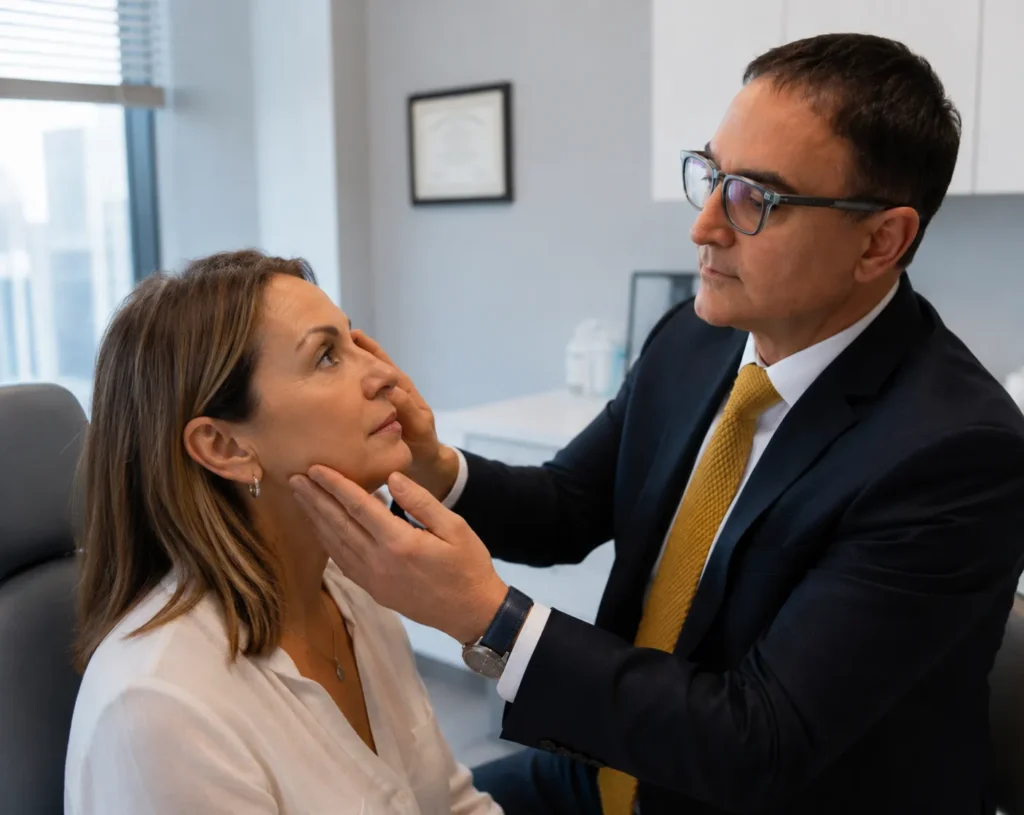
Your consultation is one of the most important stages of your facelift journey. It is an opportunity for Mr Mattine to understand your face, how it has changed over time and, most importantly, what you would like to achieve.
Your consultation package includes two appointments with Mr Mattine, allowing you the time and space to explore your options carefully and make a fully informed decision. One appointment may be conducted by secure video consultation if preferred; however, at least one consultation will always take place face-to-face before surgery.
Facelift surgery is highly individual. There is no single technique—or standard operation—that is appropriate for every face.
During your consultation, Mr Mattine will undertake a detailed assessment of your facial anatomy, proportions, skin quality, underlying tissue changes and individual pattern of ageing. He will also review your general health and medical history to assess your suitability for surgery.
Just as importantly, he will take time to understand what you see when you look in the mirror, the changes that concern you and the result you hope to achieve.
From this assessment, Mr Mattine will create a personalised surgical strategy designed specifically for your face.
Your consultation is also an opportunity to understand not simply what can be done, but why a particular approach may be right for you.
Mr Mattine will explain how your face has changed with ageing and which anatomical changes are contributing to the features that concern you.
He will then discuss the facelift techniques most appropriate for your individual anatomy. Depending on your needs, this may include consideration of the midface, cheeks, jowls, jawline, chin and neck, with the aim of creating harmonious rejuvenation rather than treating each area in isolation.
Where appropriate, he will explain how his Designer Deep Plane Facelift and its various modifications may be tailored to your particular pattern of facial ageing.
Choosing to undergo facelift surgery is a significant decision, and you should feel fully informed before proceeding.
Mr Mattine will talk you through the proposed surgery in detail, including the anticipated benefits and limitations, incision placement, anaesthesia, recovery, scarring and the potential risks and complications associated with the procedure.
Facelift surgery may be performed under general anaesthesia or sedation, depending on the procedure and individual circumstances. Your options will be discussed with you, taking into consideration both clinical factors and your personal preferences.
There is no expectation to make an immediate decision.
The two-consultation process gives you an opportunity to reflect, return with further questions and ensure that you feel comfortable with both your surgical plan and your decision to proceed.
We encourage you to ask questions—however small or detailed they may seem.
By the end of your consultation process, our aim is for you to have a clear understanding of what can realistically be achieved, which surgical approach is recommended for you, what your recovery is likely to involve and what you can expect from your facelift journey.
Because the most beautifully executed facelift begins long before surgery—it begins with careful listening, meticulous assessment and a surgical plan designed around you.
For a high-end facelift website, I’d make this feel transparent and reassuring rather than transactional. I’d also make the inclusions immediately scannable.
Following your consultation with Mr Mattine, you will receive a personalised, comprehensive quotation based on your individual facelift treatment plan.
Your surgical quotation is fixed and clearly sets out the cost of your procedure, so you can make your decision with a full understanding of the fees involved.
Your quotation includes:
- Mr Mattine’s surgical fee
- Hospital and operating theatre fees
- Anaesthetic fees
- All routine post-operative appointments for 12 months following your surgery, as detailed in your consultation summary
Your initial consultation fee of £195 is payable when your consultation is booked and is separate from your surgical quotation.
Additional Costs
Occasionally, your individual treatment plan may require additional investigations or specialist planning before surgery.
Where required, diagnostic imaging, pre-operative surgical planning or models, specialist investigations and additional tests are not included within the surgical quotation and may incur an additional fee.
Should any additional investigations or costs be recommended, these will be discussed with you in advance.
Our aim is complete transparency — ensuring you understand your treatment plan, what your quotation includes and any additional costs before you choose to proceed.
I’d rename “Listing you for the treatment” because it sounds quite clinical and NHS-style. For a high-end private facelift website, “Booking Your Surgery” or “Confirming Your Surgery” feels more polished.
There is also a small sequencing issue in the original: it says the procedure is arranged after the remaining balance is paid, but the balance is normally due after a surgical date has been agreed. I’d phrase it more clearly like this:
Following your consultations with Mr Mattine, you will have time to consider your personalised surgical plan and quotation before making your decision.
When you are ready to proceed, simply confirm your acceptance of the quotation with our team. We will then provide you with your surgical agreement and details of the deposit required to secure your surgery.
Once your deposit has been received, our team will work with you to arrange a suitable date for your procedure. The remaining balance will be payable by the date specified in your surgical agreement, ahead of your operation.


Once your facelift has been scheduled, we will guide you through each stage of preparation.
Your pre-operative assessment will be arranged, together with any investigations that may be required before surgery. You will also receive detailed information regarding your admission, preparation for surgery, medications, fasting instructions and what to expect on the day of your procedure.
Our team will ensure that you have the information you need and the opportunity to ask any final questions before your surgery.
From confirming your procedure to the day of your facelift, every detail is carefully coordinated to make your experience as seamless, informed and reassuring as possible.
Choosing to undergo facelift surgery is a significant and highly personal decision. We believe you should have the time, information and opportunity to consider every aspect of your procedure before giving your consent.
The consent process therefore begins during your consultation with Mr Mattine and continues throughout your journey to surgery.
During your initial consultation, Mr Mattine will explain your proposed facelift procedure in detail, including its anticipated benefits, limitations, alternatives, recovery and potential risks and complications. You will have the opportunity to discuss these openly and ask any questions that are important to you.


Following your consultation, you will receive a written summary of the discussion and your proposed treatment plan.
Once you have indicated that you would like to proceed with surgery, you will also receive detailed written information specific to your procedure, including the potential risks and complications associated with your facelift.
This information will be provided at least two weeks before your scheduled surgery, giving you sufficient time to read it carefully, reflect on your decision and raise any further questions.
We strongly encourage you to take this time.
If anything is unclear—or if new questions arise—please contact our team. Mr Mattine will be happy to discuss your concerns and provide further explanation before you proceed.
Your consent should never feel like a formality. It should reflect a decision that you have made with confidence, based on a clear and realistic understanding of your surgery, its potential benefits and its risks.
Procedure Time
Approximately 3–5 hours, depending on the extent and complexity of your facelift.
Usually performed as a day-case procedure or with one overnight stay.
Discomfort is typically manageable following facelift surgery. Swelling and bruising are expected, often becoming more noticeable during the first few days before gradually settling.
Routine reviews are generally arranged at approximately 1 week, 2 weeks and 3 months, with additional reviews at 6 and 12 months where appropriate.
Scars, residual swelling and sensations of tightness can continue to soften and mature for 12–18 months following surgery.
Twilight sedation, TIVA or general anaesthesia, depending on your procedure and individual requirements.
A fresher, more youthful appearance with improved facial contours, jawline definition and neck rejuvenation, while preserving your natural facial identity.
Typically 2–4 weeks, depending on the extent of surgery, your individual recovery and the nature of your work.
Early improvements become increasingly visible as swelling settles during the first month. The result continues to refine over the following months, with a more established outcome typically apparent from around 3 months.
Your fee will depend on the type and extent of facelift surgery recommended for you. Following consultation, you will receive a personalised treatment plan and comprehensive quotation.
Recovery varies from patient to patient. Your individual procedure, expected recovery and anticipated outcome will be discussed with you during your consultation.
Recovery from facelift surgery is a journey rather than a single event. It begins with careful preparation before your procedure and continues as swelling settles, tissues heal and your final result gradually emerges over the months that follow.
Your individual recovery may be influenced by your general health, age, skin and tissue characteristics, the extent and complexity of your surgery, and your body’s natural healing response.
While there are recognisable stages of recovery, there is no single timeline that applies to everyone. The information below should therefore be regarded as a guide rather than a benchmark against which to compare your progress.
The recovery guidance on this page relates specifically to patients undergoing Deep Plane Facelift surgery with Mr Mattine. Techniques vary considerably between surgeons, and recovery experiences described elsewhere may not necessarily reflect what you should expect following your procedure.
Throughout your recovery, Mr Mattine and his team will be available to guide, review and support you at every stage.
Preparing for facelift surgery involves more than the practical arrangements surrounding your operation.
Your physical preparation is important, and you will receive specific instructions regarding medications, smoking, alcohol, nutrition, fasting and any investigations required before surgery.
It is equally valuable to prepare yourself mentally and emotionally for the recovery ahead.
Understanding what to expect can make the experience feel considerably less daunting. Facelift recovery involves temporary swelling, bruising, tightness, altered sensation and changes in your appearance as the tissues heal. There may be days when you feel you are progressing quickly and others when very little appears to have changed.
This is all part of the recovery journey.
Rather than comparing your progress with photographs, forums or other patients online, focus on your own recovery and the personalised advice provided by your surgical team.
Be informed. Be prepared. Be patient.
Deep Plane Facelift surgery is technically demanding and requires a detailed understanding of facial anatomy.
No two faces are identical, and occasionally the anatomy encountered during surgery requires the operative plan to be adapted. For this reason, it is important to choose a surgeon with extensive experience across a range of facelift techniques, rather than someone limited to a single approach.
The ability to understand different patterns of facial ageing and tailor the operation accordingly is fundamental to modern facelift surgery
Even patients who have carefully researched their facelift and felt certain about their decision can experience anxiety as the day of surgery approaches.
You may find yourself asking:
Do I really want to do this?
Have I made the right decision?
Will I be okay?
What if something goes wrong?
These are understandable questions before an elective surgical procedure.
This is not the time to ignore your concerns. If something is worrying you, talk to us.
Mr Mattine would much rather you ask another question—even one you have asked before—than arrive for surgery feeling uncertain or inadequately informed.
Take time to revisit the reasons you originally considered facelift surgery, review the information you have been given and remind yourself why you chose your surgeon and treatment plan.
Most importantly, you should proceed only when you feel informed, comfortable and confident that surgery is the right decision for you.
A facelift result does not reveal itself overnight.
In the early stages, swelling, bruising and tightness can temporarily obscure the improvements created during surgery. The two sides of your face may also heal at slightly different rates, and your appearance can change considerably from one week to the next.
Try not to judge your result too early.
As healing progresses, swelling gradually subsides, tissues soften and settle, scars mature and your facial contours become increasingly refined.
Think in months, not days.
Your recovery is individual to you. Give your face the time it needs to heal, follow your post-operative instructions carefully and contact Mr Mattine’s team whenever you have a concern.
Be patient with your recovery.
Healing takes time, and progress is not always linear.
Stay informed, but avoid comparison.
Your face, your operation and your recovery are unique to you.
Keep communicating with us.
If something concerns you at any stage, we want to know.
Your surgery may take a few hours. Your recovery takes longer. The final result is worth allowing the time to evolve.
Before your facelift, take some time to prepare your home, your diary and the practical things you will need during the early stages of recovery. The aim is simple: once you return home, you should be able to focus on resting and healing.
We recommend keeping at least two weeks free from important work, social engagements and events following your facelift.
Some patients feel comfortable returning to certain activities sooner, while others prefer longer. Swelling and bruising vary considerably between individuals, so avoid putting yourself under pressure to look or feel “ready” by a particular date.
If you have an important wedding, celebration, professional engagement or photography planned, discuss the timing with us before scheduling your surgery.
Stock your kitchen before surgery with nutritious foods that are easy to prepare and comfortable to eat.
During the early recovery period, you may prefer softer foods that require minimal chewing. Soups, smoothies, yoghurt and other soft foods can be useful, together with protein-rich meals and adequate fluids.
Good nutrition and hydration are important during healing, so prepare in advance rather than relying on cooking during the first few days.
Swelling and bruising are an expected part of facelift recovery.
You will receive specific instructions on how these should be managed following your surgery.
If cooling is recommended, follow the instructions provided by Mr Mattine’s team carefully. Do not apply ice directly to your skin or surgical areas, particularly where sensation may temporarily be reduced following surgery.
Hilotherm Cooling
Some patients choose to use a Hilotherm temperature-controlled cooling system during the first week following surgery.
Unlike conventional ice packs, the system circulates temperature-controlled water through a facial mask and can provide controlled cooling for extended periods. Some patients find this a helpful addition for comfort and the management of post-operative swelling.
Hilotherm is optional and is not required for your recovery. Mr Mattine and his practice have no financial interest in the company and receive no financial benefit if you choose to use the system.
If you wish to use Hilotherm, arrangements for rental and delivery should be made in advance so that the equipment is available when you return home.
The first few days after your facelift are for recovery, not household chores.
Complete your shopping, laundry, cleaning and other essential household tasks before your operation. If possible, arrange for someone to help with practical tasks during the early stages of your recovery.
Living alone does not necessarily present a problem once it is considered appropriate for you to be alone, but good preparation is essential. You will also need to follow the specific instructions provided regarding having a responsible adult with you immediately following anaesthesia or sedation.
Prepare a comfortable sleeping position before your surgery.
You will generally be advised to sleep on your back with your head elevated during the early recovery period. A supportive pillow, wedge pillow or appropriately arranged pillows can help maintain a comfortable position and discourage you from turning onto your side while asleep.
Mr Mattine’s team will advise you on how long this is recommended.
For the early post-operative period, choose loose, comfortable clothing that fastens at the front.
Button-up or zip-up tops are ideal because they can be put on and removed without being pulled over your head. This helps avoid unnecessary contact with your face, ears, incisions and dressings.
Keep several suitable outfits ready before you leave for hospital.
Set up a comfortable recovery area before surgery with the things you are likely to need close at hand.
This might include your prescribed medication, water, telephone charger, tissues, lip balm and other items recommended by your surgical team.
Gentle facial cleansing may be advised, but do not use wipes, cleansers, moisturisers or other skincare products directly over your incisions unless you have been told it is safe to do so.
A pressure dressing or facial garment can feel warm, particularly during warmer weather.
Keep your recovery environment cool, comfortable and well ventilated. A fan or air conditioning can be helpful during the summer months, provided airflow is comfortable and not directed excessively at sensitive eyes or surgical areas.
Perhaps the most important advice is not to rush.
Do not schedule an important event immediately after surgery. Do not compare your swelling or bruising with another patient’s. And do not judge your facelift result during the early stages of healing.
Your appearance will change considerably as swelling subsides, and your tissues begin to settle.
Prepare well. Rest properly. Follow your post-operative instructions. And give your face the time it needs to heal.
Your personalised instructions from Mr Mattine and his clinical team should always take precedence over general recovery guidance.


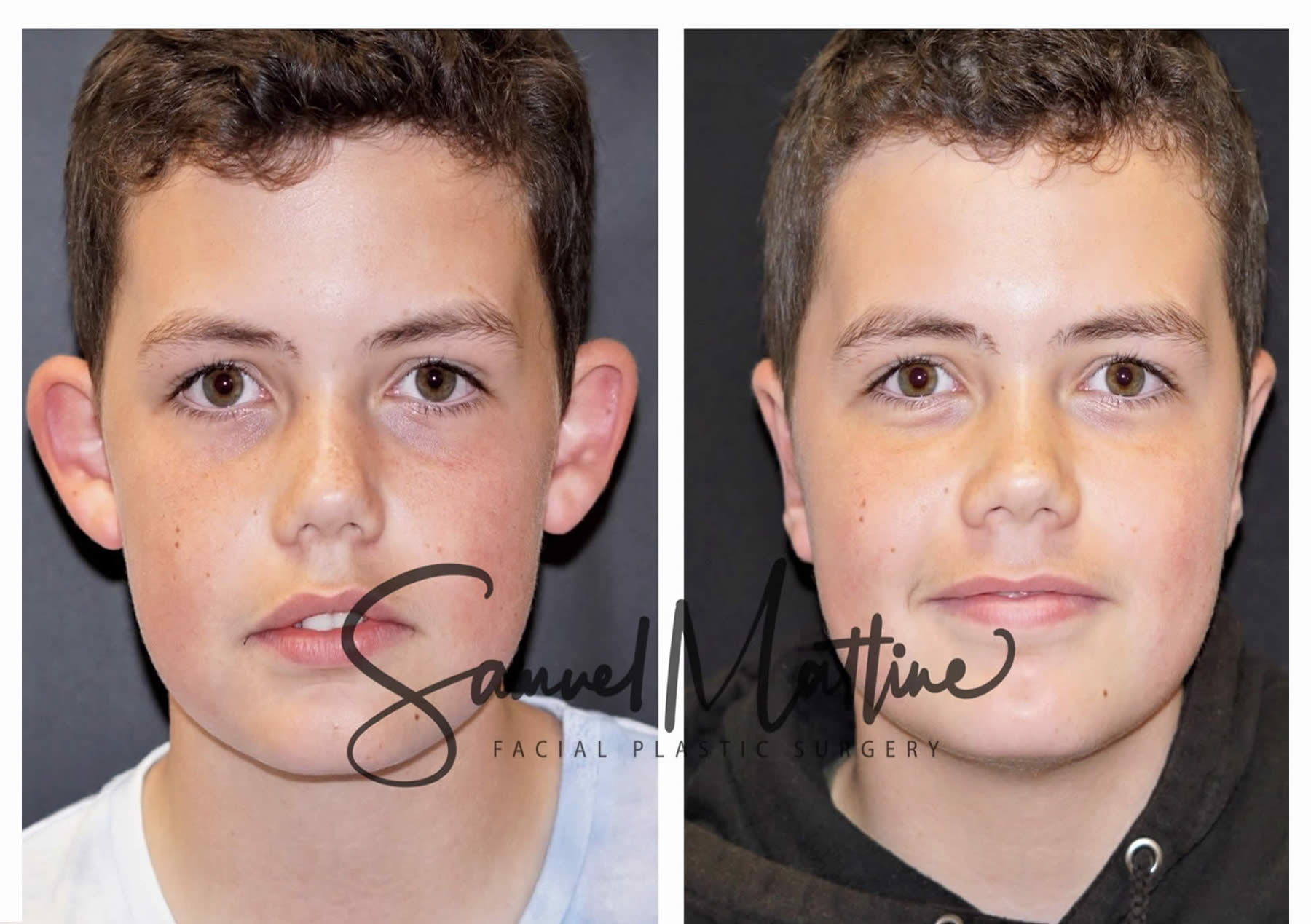

If you are unsure, please ask us.
Recovery guidance can help you understand what to expect, but it can never replace advice based on your face, your surgery and your individual healing.
Every recovery is different. Try not to measure your progress against another person’s photographs, experiences or timeline. What is normal for one patient may be quite different for another.
If something concerns you — however small it may seem — please contact Mr Mattine and his clinical team. You should never feel that a question is too minor to ask.
Your follow-up care is there to provide reassurance and guidance, as well as to ensure that your recovery is progressing as expected.
Recover at your own pace. Follow your personalised instructions. Give your face the time it needs to heal — and allow your result to emerge naturally, in its own time.
I’d refine this further, particularly the pre-operative assessment & investigations section. The underlying point is valuable—especially for patients travelling from elsewhere in the UK or internationally—but it can be expressed much more elegantly and clearly.
The cost of facelift surgery varies according to the complexity and extent of your procedure, whether additional procedures are performed at the same time, the anticipated operating time and the hospital where your surgery takes place.
Following your consultation, and once your individual surgical plan has been established, you will receive a personalised quotation setting out the anticipated cost of your surgery and clearly explaining what is included.
Your quotation will typically include:
- Surgeon’s fee — Mr Mattine’s surgical fee will be included within your quotation.
- Anaesthetic fee — this may vary according to the nature and duration of your procedure. You will be advised clearly whether the anaesthetic fee is included within your quotation or payable separately.
- Hospital & surgical facility fees — these vary according to the hospital, the nature of your procedure and the anticipated operating time, and will be included within your quotation.
- Post-operative garments — any specialist facial support garments required as part of your routine post-operative care will be included where appropriate.
- Pre-operative assessment & investigations — as we welcome patients from across the UK and internationally, we aim to make the pre-operative process as convenient as possible. Where appropriate, certain blood tests, investigations or imaging may be arranged closer to your home, avoiding an unnecessary additional journey to one of our clinics.
The investigations required will depend on your medical history, age and planned procedure, and therefore cannot always be determined in advance. For this reason, the cost of external pre-operative tests and investigations is not included within your surgical quotation. Where possible, we will advise you of the investigations likely to be required and provide an indication of their anticipated cost when your quotation is prepared.
- Discharge medication — routine medication provided as part of your immediate post-operative care will be included within your quotation.
- Post-operative follow-up — your planned follow-up appointments with Mr Mattine are an integral part of your surgical care and are included within your surgical package.
Mr Mattine has built his surgical career around a defining focus: the face.
That focus has shaped a continual pursuit of refinement — developing an increasingly detailed understanding of facial anatomy, evolving surgical techniques and considering every element of facelift surgery with the aim of achieving results that are both sophisticated and natural.
His Comprehensive Designer Facelift is an expression of this philosophy. Rather than applying a predetermined technique, each operation is individually designed around the patient’s anatomy, facial proportions, tissue characteristics and unique pattern of ageing.
The objective extends beyond simply creating a younger appearance. It is about restoring balance, definition and freshness while respecting the features and character that make each face individual.
The aim is not to change who you are, but to help you look refreshed, balanced and naturally rejuvenated — while remaining unmistakably you.
Mr Mattine is internationally recognised for his work in facial surgery and for his contribution to the development and teaching of advanced surgical techniques.
He has been invited to lecture, deliver keynote presentations and demonstrate aspects of his surgical approach — including his Designer Deep Plane Facelift — at professional meetings and conferences across Europe, Asia, Africa and the Americas.
His international teaching reflects a career centred not only on performing facial surgery, but also on advancing its techniques and sharing that expertise with other surgeons.
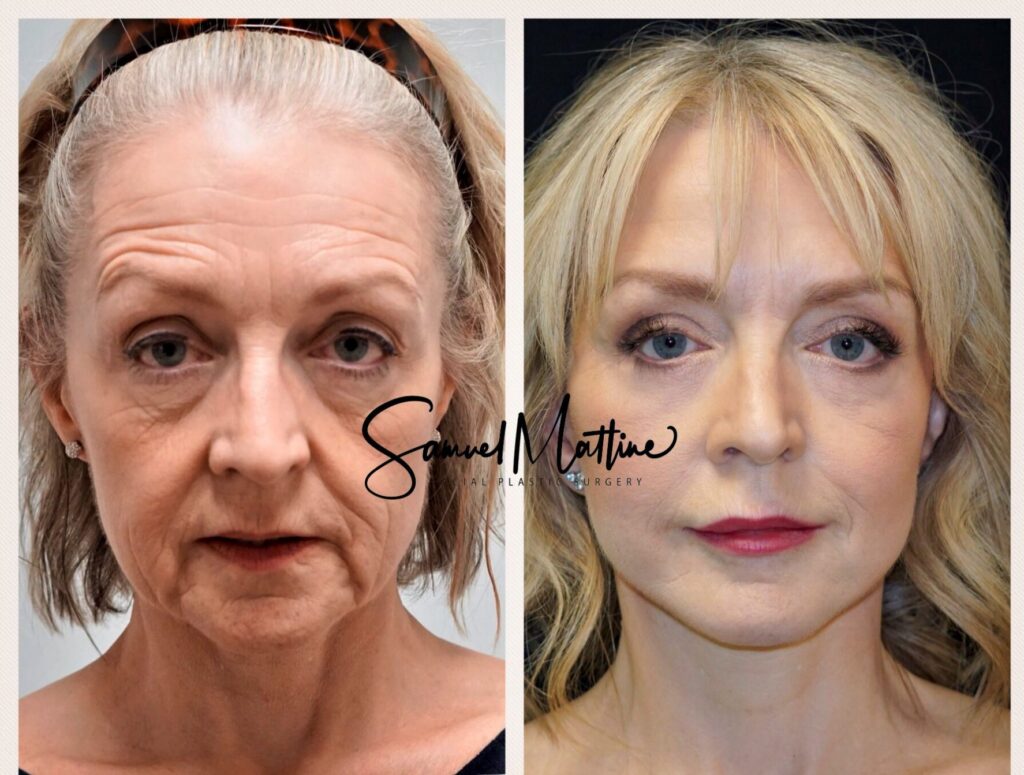
Louise had decided that she wanted to invest in some facial aesthetic treatment to make her feel more youthful and slow down the signs of ageing. Louise keeps very active, lives a healthy lifestyle and feels like her body is in good physical shape, however her face was giving away her age and no longer reflected how she felt on the inside. The lines and wrinkles on her face reduced her feeling of self-confidence, making her feel increasingly unhappy, so she decided to do something about it, and researched online for a hospital and a specialist consultant who might be…

She’s a motor-biking, music-loving mum-of-two who prides herself in keeping fit and looking good. But when Sarah Sleet hit 60 she decided that it was time to give nature a ‘helping hand’ and went under the knife for facelift and neck lift surgery. A member of a women’s motorcycle group The Tribe and owner of both a Ducati Monster and a Harley Davidson Street bike, Sarah, who lives in Solihull, said: “I wanted to look like I feel – young! I live life to the full, I love going biking and in my spare time I help promote various rock…

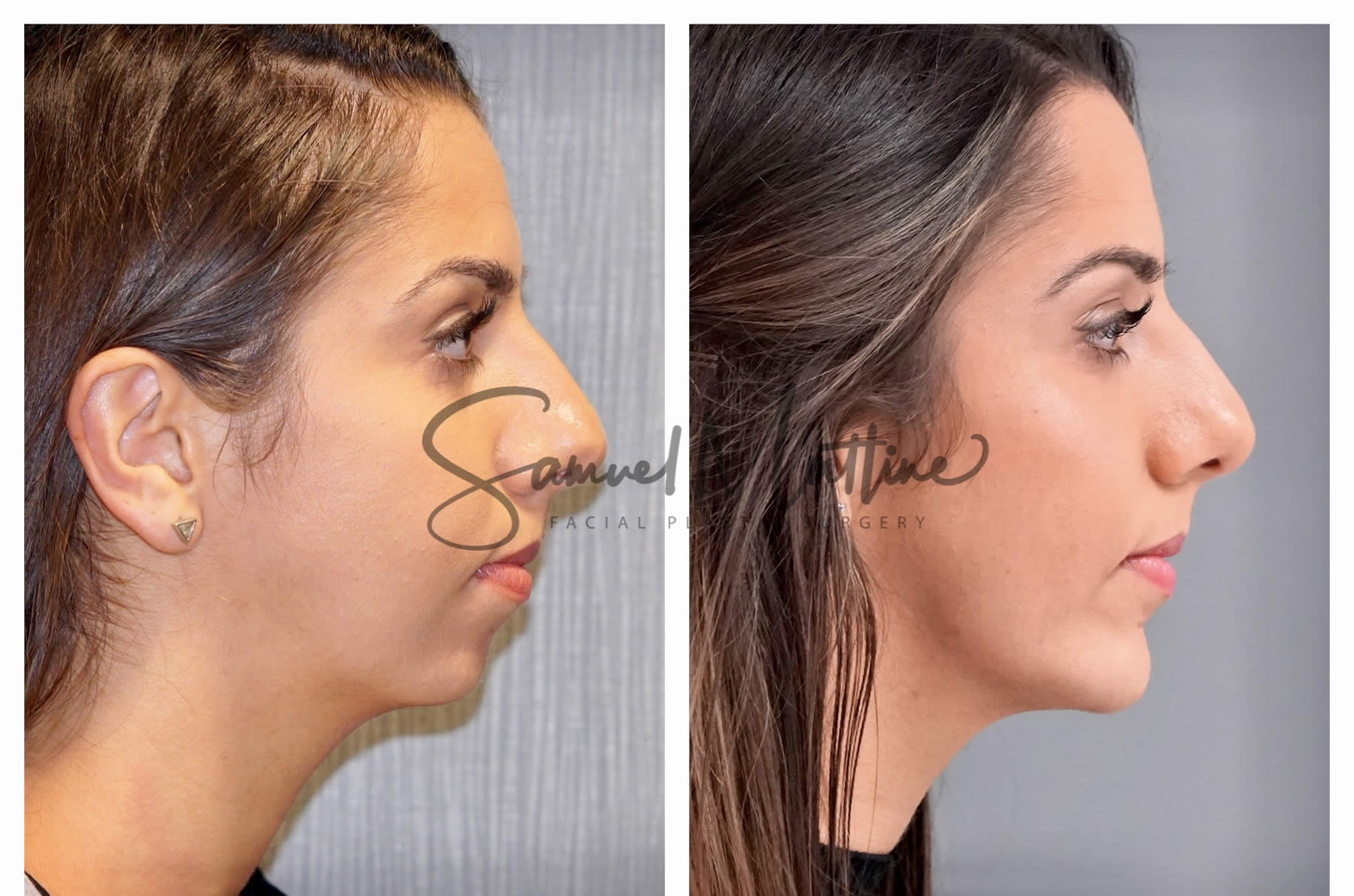
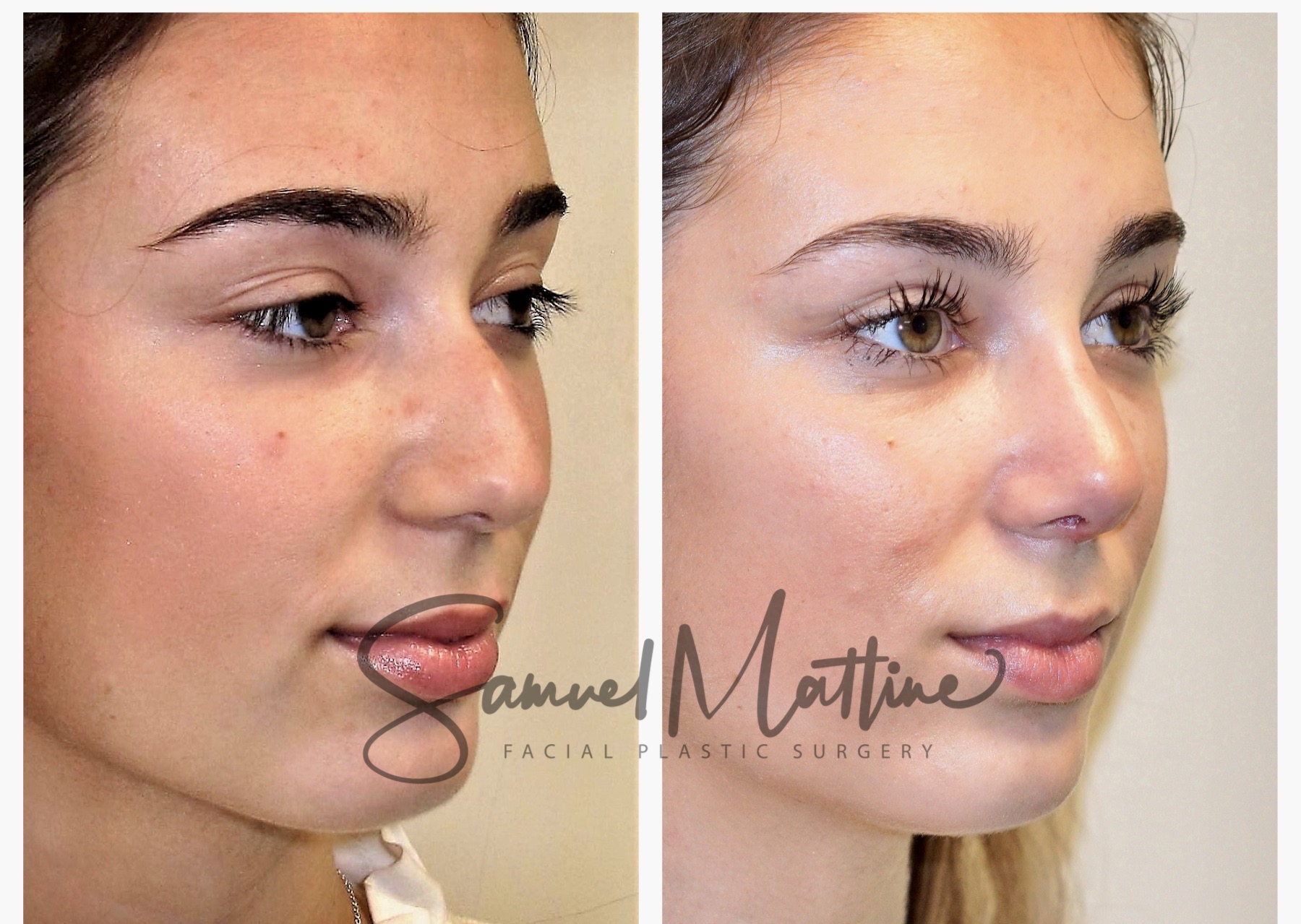
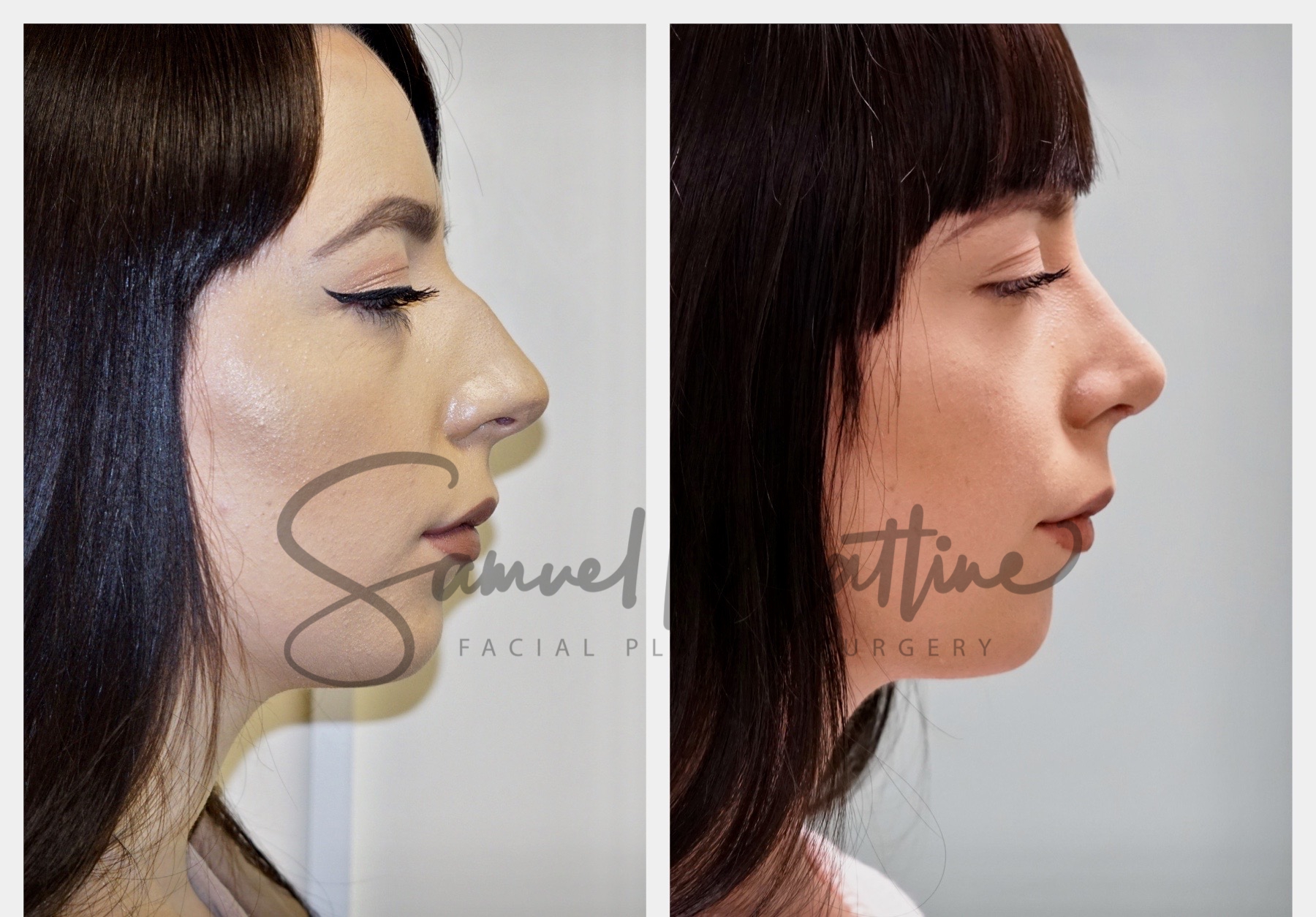
I have always hated the shape of my nose. (I had a prominent hump) and was always very self-conscious of my profile. It wasn’t until I saw a photo that had been taken of me from the side that I realised how much I actually hated my nose. I felt that I looked like a witch. I was devastated! I had nasal surgery by another surgeon several years ago and was left rather unhappy with the cosmetic outcome. Having continued to look for revision rhinoplasty, it wasn’t until a couple of years ago that I was in a position…

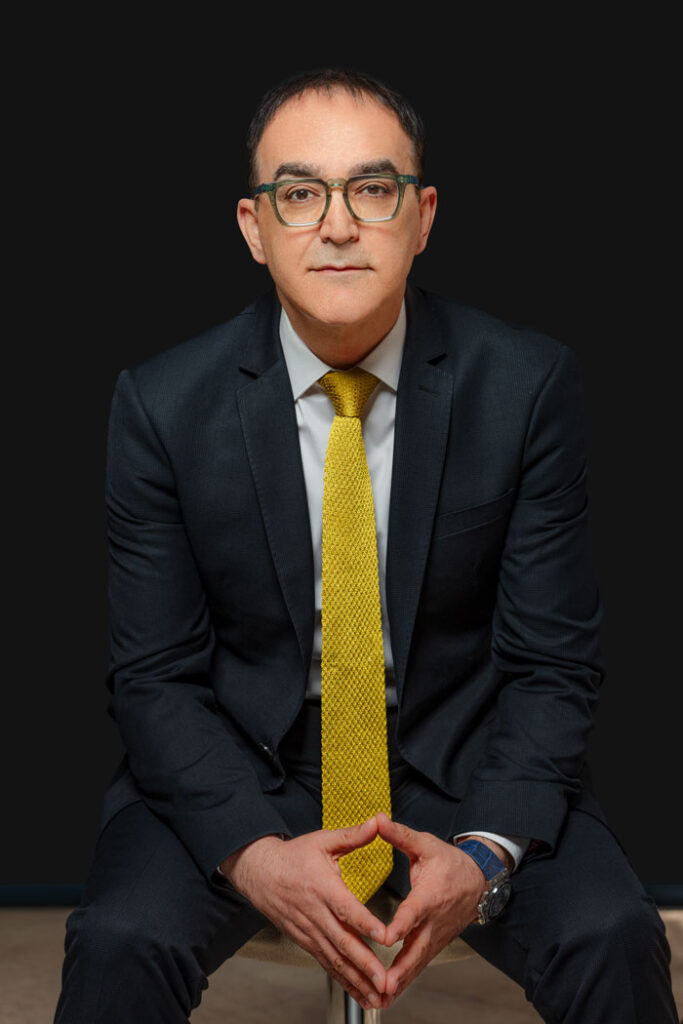

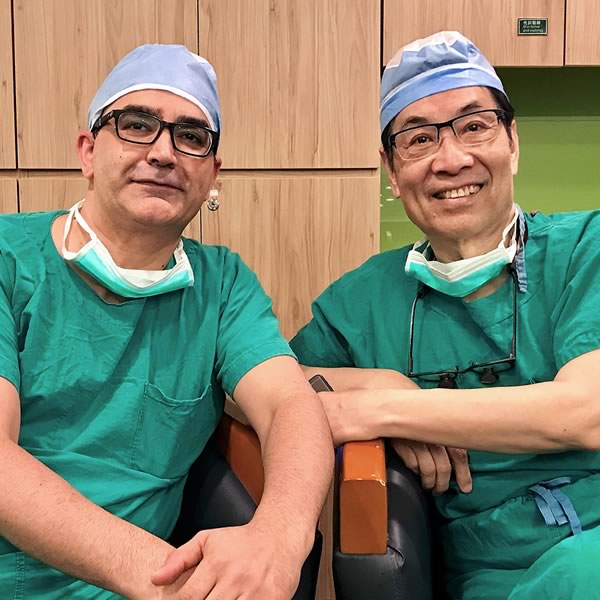

We regularly welcome patients from overseas who travel to the UK for facelift surgery with Mr Mattine, including patients from the United States, Canada, Japan, Europe and across the Middle East. Our team understands that travelling internationally for surgery requires careful planning, and we will help coordinate each stage of your journey to make the experience as seamless and convenient as possible.
Your initial consultation can usually take place virtually, allowing you to meet Mr Mattine, discuss your concerns and explore the surgical options available to you without travelling to the UK. If you decide to proceed with surgery, you will need to meet Mr Mattine face-to-face before your operation. Wherever clinically appropriate, this can be coordinated for the days immediately preceding your surgery, helping to avoid unnecessary additional journeys.
We can also help you plan any required pre-operative tests and investigations, arranging these in a way that is appropriate to your individual circumstances and, where possible, allowing them to be completed closer to home. Our team will be happy to assist with recommendations for suitable accommodation and practical arrangements surrounding your stay in the UK.
Your return journey will be considered from the outset. Sufficient time will be allowed for your initial recovery, post-operative reviews, dressing and suture removal, and a final assessment before you are considered ready to travel home. Once you have returned home, your care continues, with further follow-up consultations available virtually and direct access to the clinical team should you have questions or concerns during your recovery.